Understanding opens doors
Awareness Programs
Better understanding. More inclusive communities.
Thoughtful conversations can challenge assumptions, encourage empathy and help families ask informed questions. Explore awareness themes that invite schools, parents and community groups to listen, learn and take practical steps towards inclusion. Families and groups in Gajraula, Amroha district, can discuss current opportunities and practical arrangements with the team.


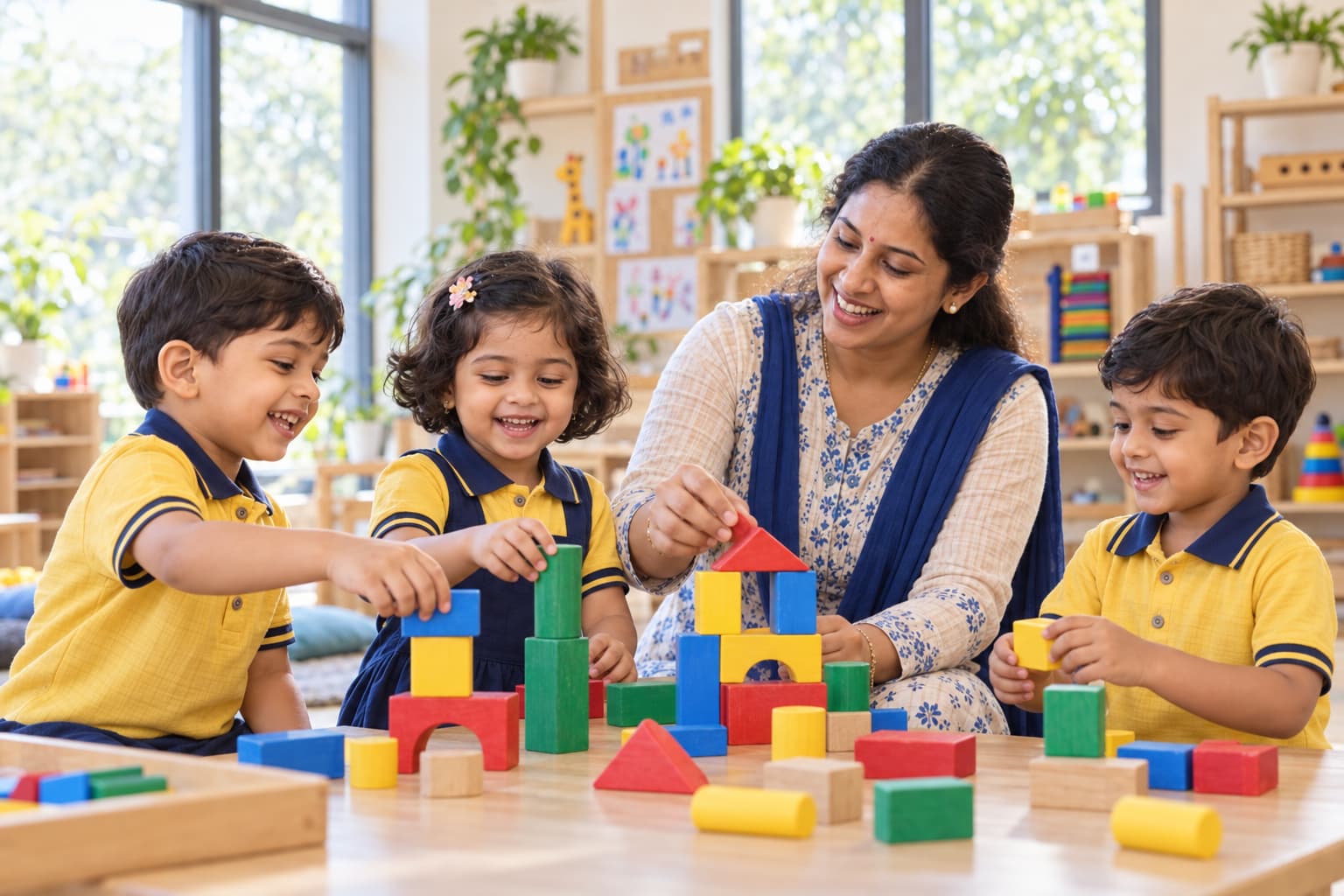
Awareness begins
with listening.
Every person brings a different experience. Awareness activities work best when they make room for questions, respectful dialogue and reflection. The aim is to share accessible information and encourage thoughtful action.
Understanding different ways of learning.
Different strengths
Every child has their own interests, abilities and hopes. Awareness helps us notice different strengths.
Different communication styles
People express themselves in many ways, including through speech, gesture, pictures or behaviour.
Different support needs
Flexible participation can help more people feel included.
Inclusion in everyday spaces.
Small changes in classrooms, neighbourhoods and shared activities can make people feel more welcome.
- Use respectful languageChoose words that are kind and inclusive.
- Offer different ways to participateProvide verbal, visual or hands-on options.
- Ask before helpingCheck what support is needed and preferred.
- Notice access barriersLook for simple environmental or social improvements.

Supporting families
with empathy.
Parents and caregivers may be balancing many questions and responsibilities. Open conversations can reduce isolation and make it easier to seek appropriate support. Listen without judgement and respect each family’s choices and privacy.
Wellbeing deserves
a conversation.
Awareness sessions can encourage people to talk about feelings, stress and supportive relationships. Information should be age-appropriate and respectful.
Respect, boundaries and safer participation.
Ask for consent
Always check before sharing photos, stories or personal information.
Respect personal space
Be mindful of individual comfort levels and listen if someone says no.
Know who to approach
Ask organisers about safeguarding arrangements and who to contact.
Many ways to start a conversation.
Topics, audience and facilitator availability are discussed before a session is agreed.

Interactive workshops
Hands-on activities and real-life examples.
Parent discussions
A safe space to share experiences and questions.
School sessions
Age-appropriate sessions for students and teachers.

Community conversations
Open discussion for local groups.
From understanding to everyday action.
- 01
Notice assumptions
Be aware of your own beliefs.
- 02
Ask thoughtful questions
Stay curious and open to learning.
- 03
Make one practical change
Choose a realistic step to try.
- 04
Reflect together
Check what is working and keep learning.
Host an awareness
session.
Tell us about your group and the conversation you want to begin.
Plan an awareness conversation that answers real questions
General education can make a concern easier to discuss. It should explain its limits and avoid presenting an awareness session as a diagnosis or individualized clinical advice.
Agree the question first
A school, family group or community host can describe what people want to understand, such as communication development or respectful participation. Ask which topic and facilitator are appropriate. A focused conversation with relevant examples is more useful than promising to cover every developmental condition or service in one event.
Use understandable information
Ask how terminology, language and format can suit the audience. Participants should have room to ask questions without being expected to share personal clinical details in a group. General examples can illustrate an idea, while any discussion about a specific person may require a separate professional appointment and consent.
Keep observation separate from diagnosis
A milestone chart, demonstration or list of possible signs can prompt a useful question but cannot explain an individual's difficulty. The facilitator should make clear when assessment or another referral is appropriate. No screening result, clinical registration or treatment outcome is established by attending an awareness activity.
Confirm the event details
Discuss the audience, venue, communication access, date, duration and any cost before advertising. Confirm who will facilitate and what is actually included. No current event schedule or surrounding-town delivery is verified by this page; a planning enquiry does not reserve a session or create a physical branch.
Questions about awareness sessions.
Who can request a session?
Families, schools and community groups can enquire about suitable themes.
Are sessions a clinical assessment?
No. Sessions provide general education and discussion, not diagnosis or treatment.
Can the topic be adapted?
We discuss the audience, priorities and facilitator availability first.
How are dates and costs confirmed?
Practical arrangements are agreed directly with the team.
Understanding grows
when we learn together.
Bring a question, invite a conversation and help make everyday spaces more considerate.