Our Play School in Gajraula
Early education.Learning through play.
A warm, inclusive preschool where children feel safe, curious and supported — every day. At Aaradhya Rising Foundation, we combine play, empathy and purposeful learning to help your child build confidence for life.
Brighter
Kinder
Explore More at Aaradhya
A well-rounded start for a brighter tomorrow
Discover how we nurture curious minds, supportive relationships and a love for learning.
Early Childhood Education
Early learning starts with everyday curiosity. Stories, pretend play and practical tasks can create opportunities to communicate, notice patterns and make choices. Explore how activities are adapted to a child's current stage.
Learn More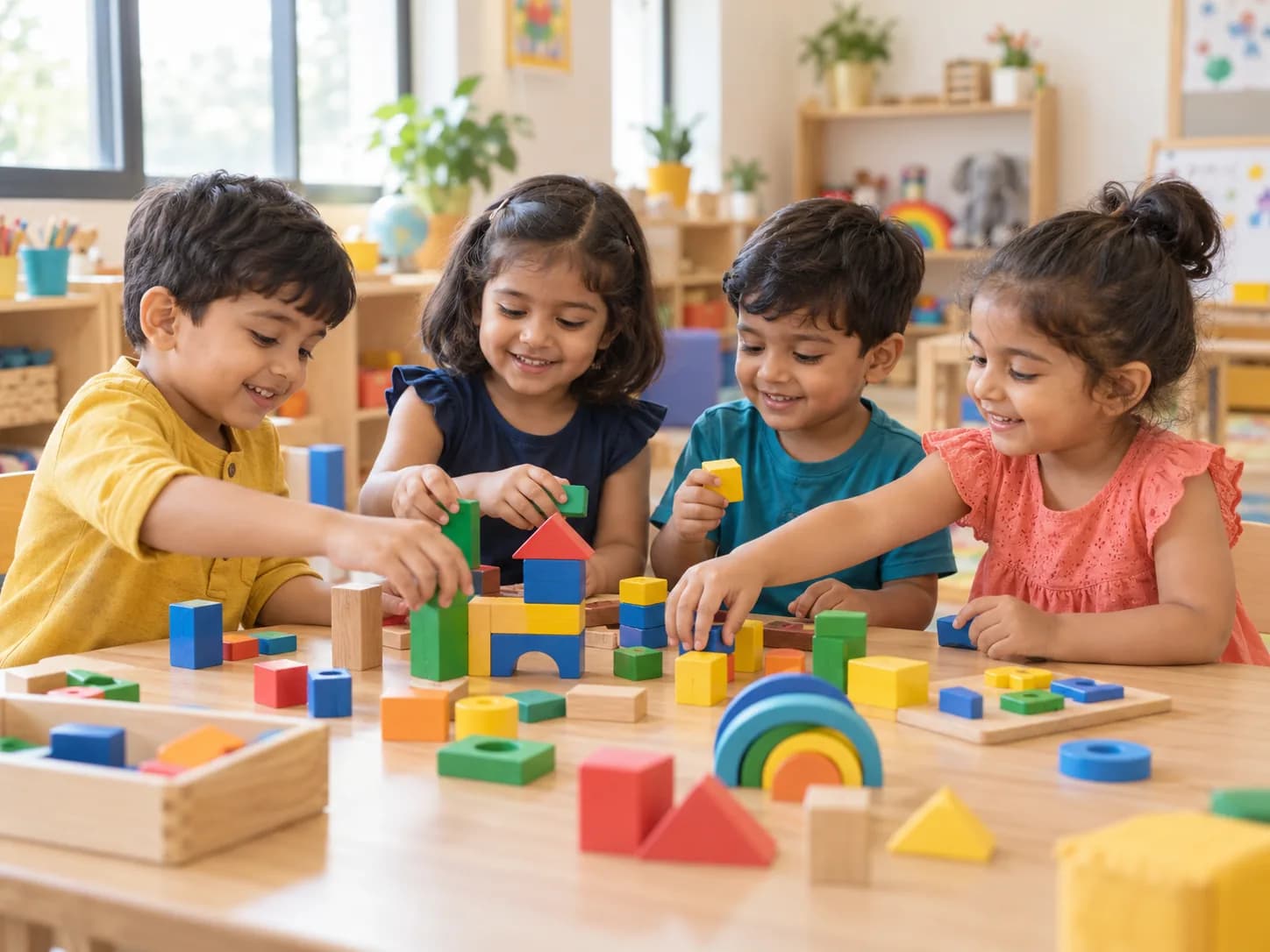
Preschool Programs
A programme can connect communication, play, movement and social participation within familiar routines. Ask about current options, age groups, educator roles and the support available before planning attendance.
Explore Programs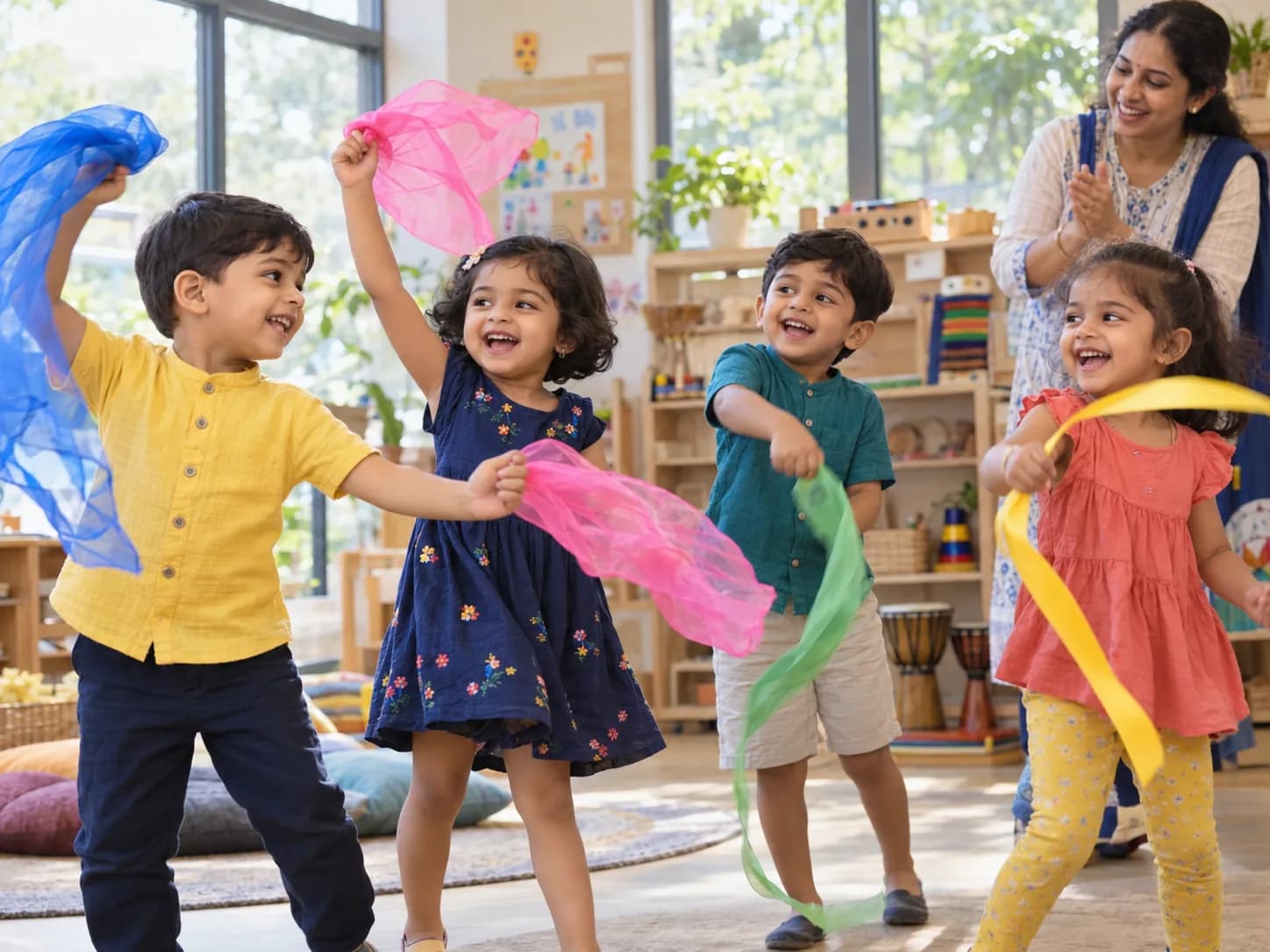
A Glimpse Into Their Day
What your child experiences each day
A balanced flow of learning, play and care to help your child feel secure, engaged and inspired.
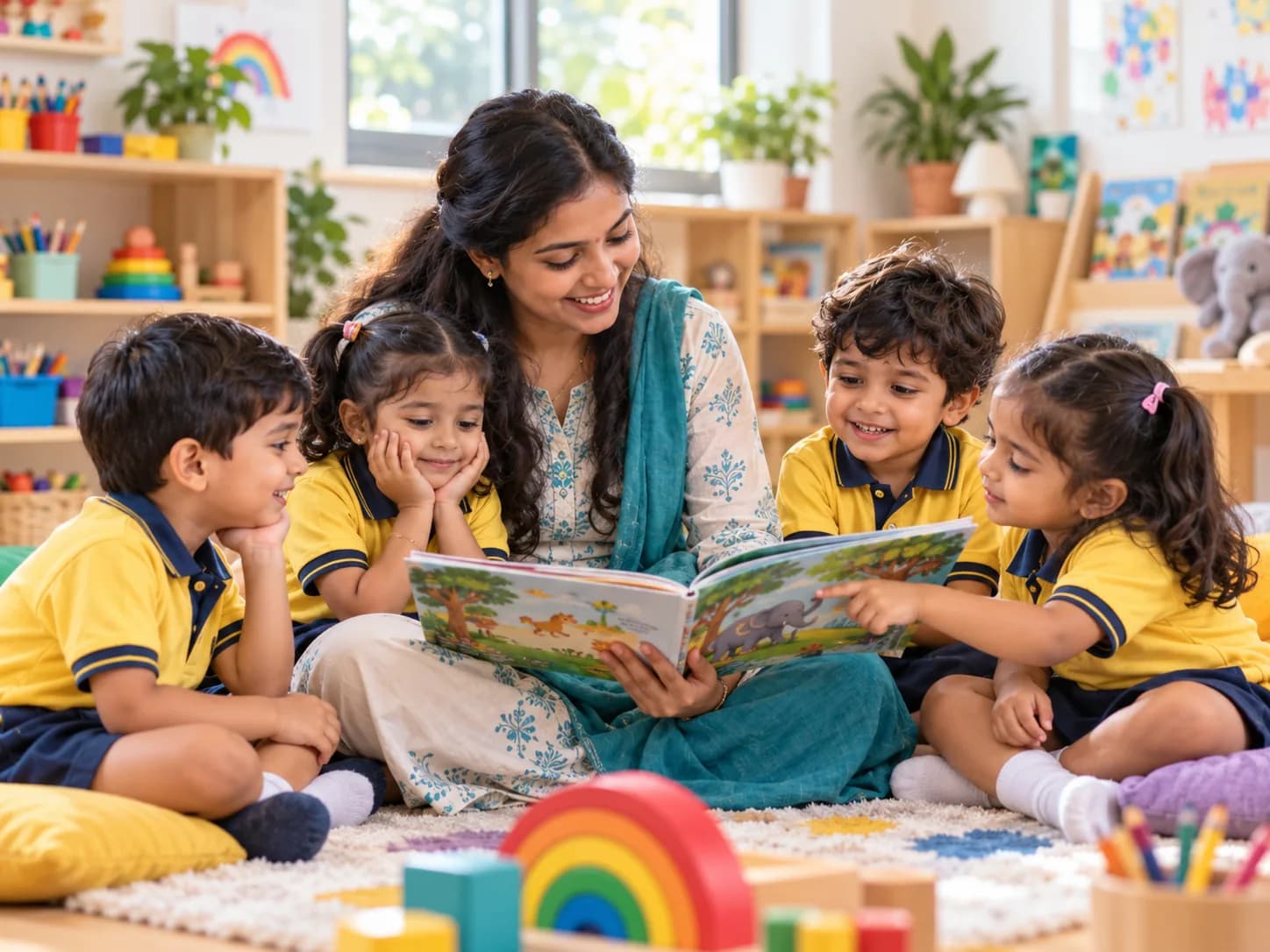
Warm Welcome
Share familiar greetings, home languages and what helps your child manage a new situation. Ask how the team approaches arrival, separation and communication with caregivers during settling in.
Guided Discovery
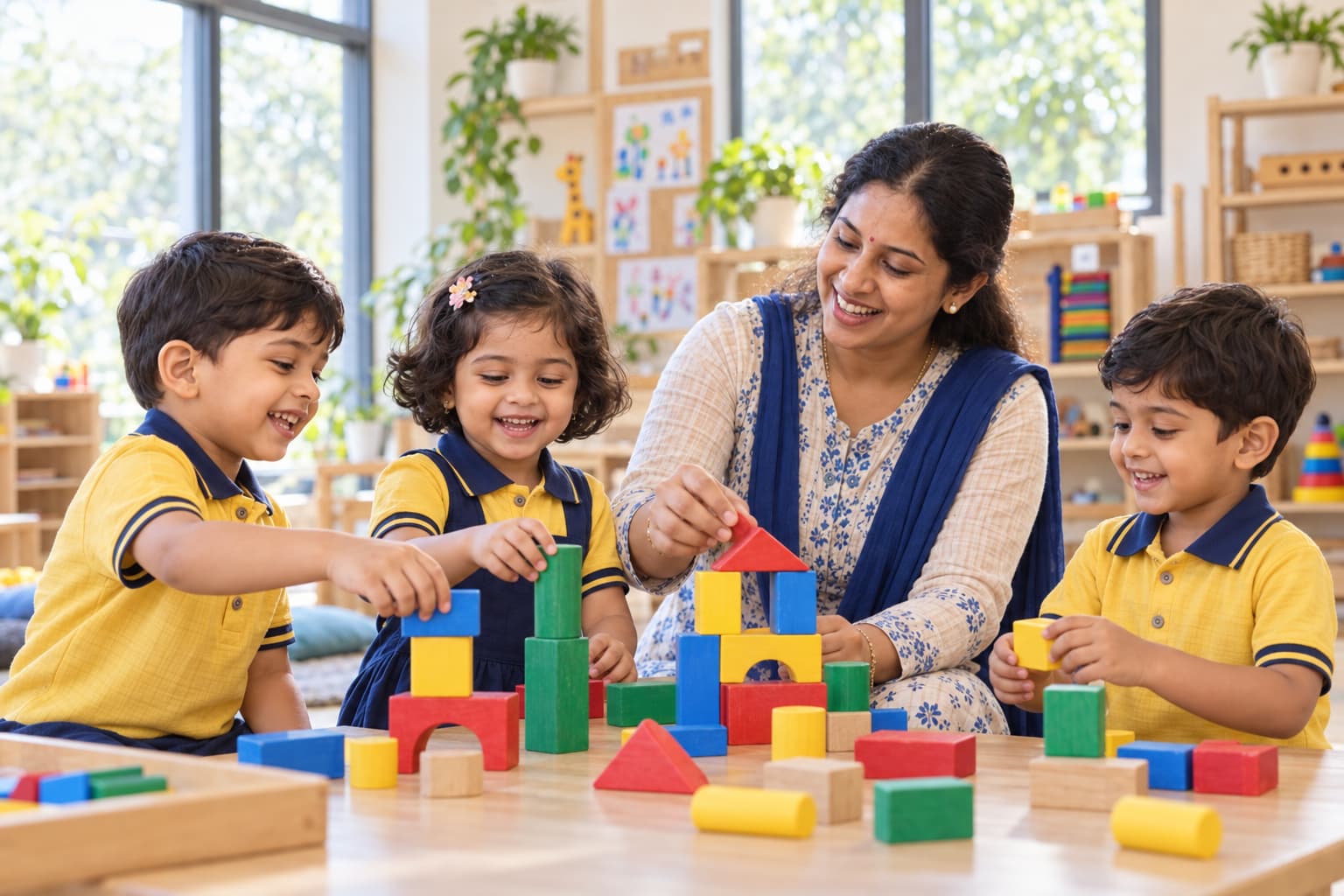
Building, sorting and everyday problem-solving can invite a child to try an idea and notice what happens. Educators can adjust language, materials and assistance according to the activity and learner.
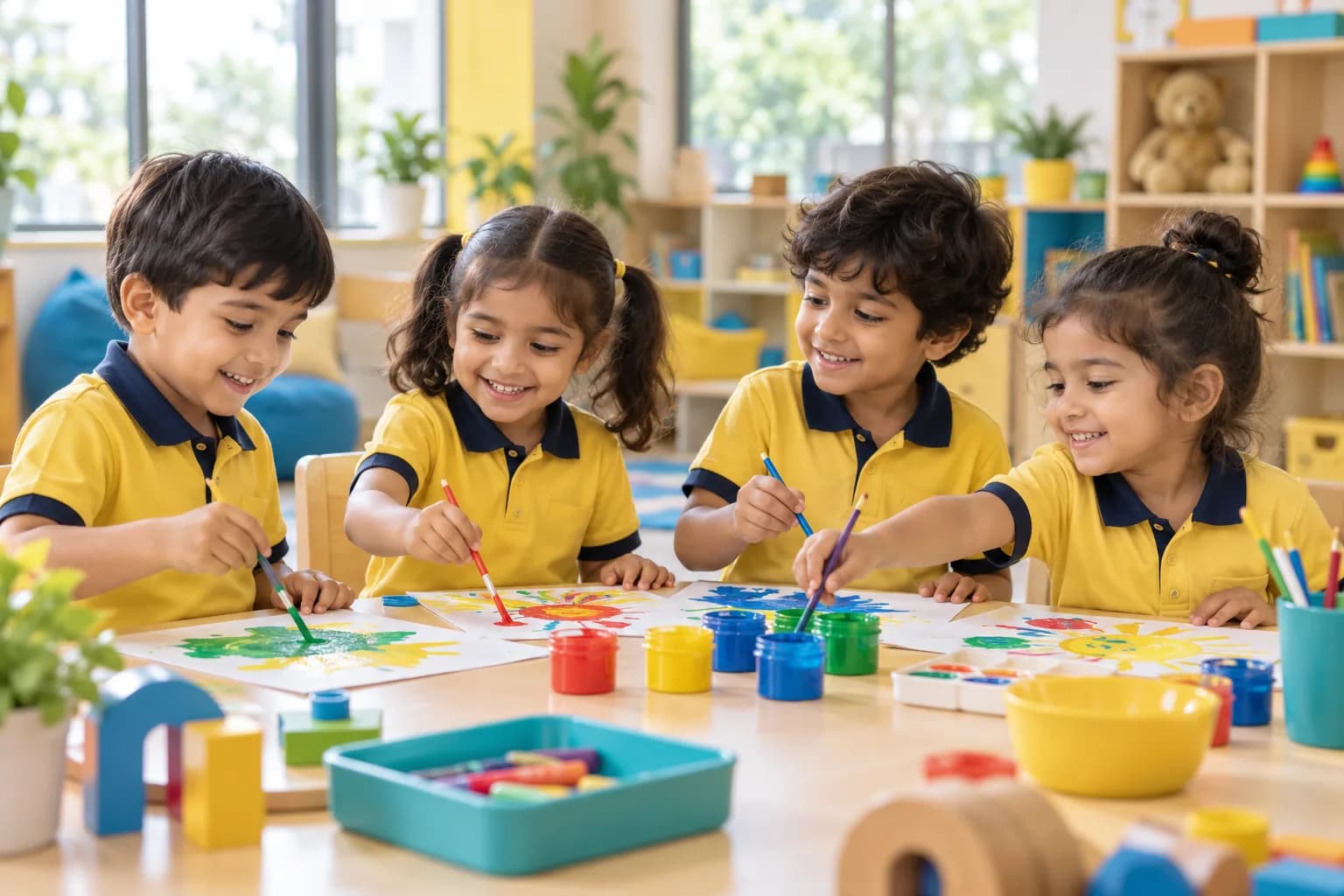
Creative Expression
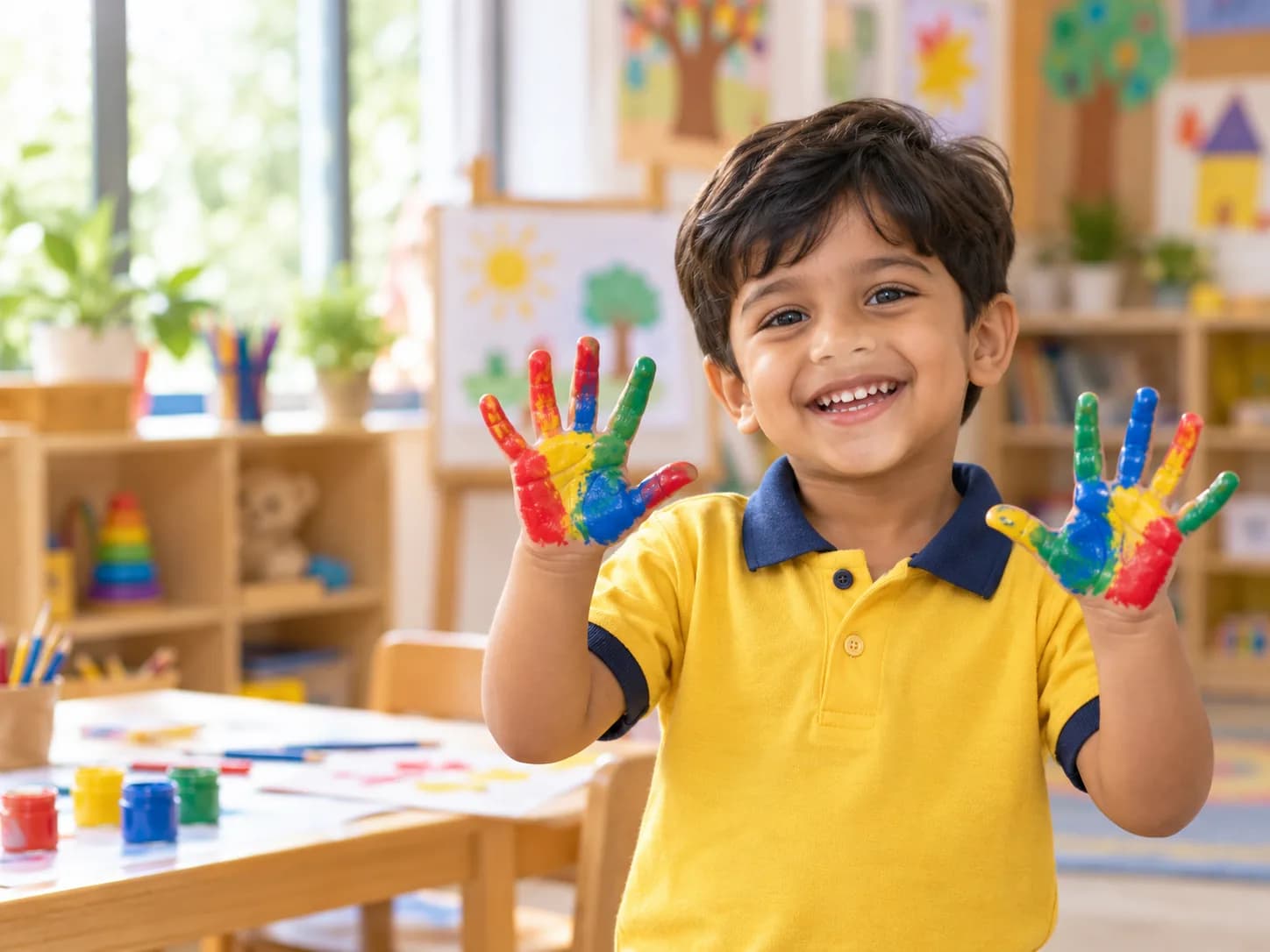
Open-ended materials offer room to choose, create and express an idea. Families can describe useful adaptations or sensitivities so suitable ways of exploring can be discussed.
Movement & Play
Active play for healthy bodies and happy minds.
Reflection
A quiet story, a pause or time to revisit an activity can help balance a busy routine. Share how your child communicates tiredness, wants a break or prefers to observe before joining.
Make learning understandable and connected to daily life
Early education is more than introducing academic tasks sooner. This guide explains how ordinary play, language and family experience can inform meaningful learning opportunities.
A child can explore an idea in different ways
Sorting objects, sharing a story or constructing something can involve thinking, movement and communication together. Ask what children are invited to notice and try, rather than only what a worksheet measures. An adult can demonstrate and then allow time for the child's own response, including observing before joining.
Keep language accessible
A familiar phrase, gesture, object or picture may help a child understand an activity. Share the languages used at home and how your child requests, comments or asks for help. A difference between languages is not a reason to assume a disorder. Discuss persistent concerns through an appropriate assessment rather than an informal classroom comparison.
Notice participation instead of ranking children
A child might become more comfortable choosing materials, returning to an activity or sharing an idea. These observations can help adults adjust support. Development does not follow one identical pace, and a learning activity is not a diagnostic test. Ask how progress is discussed without promising a particular academic or developmental result.
Connect the programme with family experience
Tell the team about the child's interests, routines and successful ways of learning. Families can ask how a classroom activity relates to familiar play at home and which support is realistic. The aim is a useful partnership, not a requirement to recreate a full school timetable or buy specialist materials.
Questions before choosing this programme
Is early childhood education mainly formal writing and reading?
It can include communication, shared play, movement, creativity and everyday problem-solving as well as age-appropriate learning experiences. Ask what the actual programme emphasizes and how activities are adapted.
How should concerns about language be raised?
Share examples of understanding and expression across the child's languages and routines. Ask whether appropriate professional advice or assessment is needed. A classroom observation or language difference alone does not establish a diagnosis.
Can families contribute without teaching a daily lesson?
Yes. Sharing interests and observations and enjoying ordinary conversation, books or play can inform the learning discussion. Ask for manageable suggestions rather than assuming that family involvement means formal homework.
Are the current timetable and admissions requirements published here?
No specific timetable, age range or available place is verified here. Confirm practical arrangements directly before making an enrolment or travel decision.
Parent Peace of Mind
A safe, supportive and transparent environment
Your child’s well-being is at the heart of everything we do.
Safety First
Discuss supervision, access and the environment before a visit.
Regular Communication
Stay connected through updates and meaningful conversations.
Individual Pace
We respect each child’s unique journey and interests.
Ongoing Observation
We observe progress to understand your child's growing needs.